Your best server just gave notice. Again. That’s three this quarter, and you’re still training the last two replacements.
Restaurant turnover rates continue to exceed 75% annually in 2026, with some quick-service operators watching their entire staff turn over more than once a year. The average cost sits around $5,864 per employee, but the real damage goes far deeper. Lost productivity, tanked morale, service quality drops, and customers who notice when your once-smooth operation starts feeling chaotic.
Here’s what we’re covering:
- Current restaurant turnover rates by position and restaurant type
- The hidden costs bleeding your margins (training, productivity loss, guest experience)
- Early warning signs that turnover is about to spike
- Proven retention strategies that actually reduce churn
- How modern workforce platforms cut scheduling time and stabilize teams
Modern workforce orchestration platforms such as Nowsta help restaurants reduce turnover by automating schedules, improving shift visibility, and making work more predictable for hourly teams. When staff aren’t fighting chaotic processes, they stick around longer.
Current Restaurant Turnover Rates by Position and Restaurant Type
Not all restaurant jobs churn at the same speed. Front-of-house roles like servers and bartenders face a 41% annual turnover rate, while back-of-house positions hit 43%. Management sits lower at 28%, but that still means you’re replacing roughly one in three managers every year.
Restaurant format matters even more.
Turnover by Restaurant Type
| Restaurant Type | Annual Turnover Rate | Why It’s Higher |
|---|---|---|
| Quick-Service (QSR) | 130%+ | Entry-level wages, high-speed environment, minimal growth paths |
| Full-Service | 75-100% | Tip dependency, inconsistent hours, physically demanding shifts |
| Fine Dining | 60-75% | Better pay and career development offset demanding standards |
QSRs get hit the hardest. Turnover exceeding 130% means the entire crew turns over more than once annually. You’re not just refilling positions. You’re running a perpetual hiring machine.
What Makes BOH Different
Kitchen staff faces a 43% turnover rate, with 60% of restaurants struggling to fill open BOH positions. The work is physically brutal, growth opportunities feel invisible, and the pay often doesn’t match the effort. Line cooks and prep staff burn out fast when there’s no clear path forward.
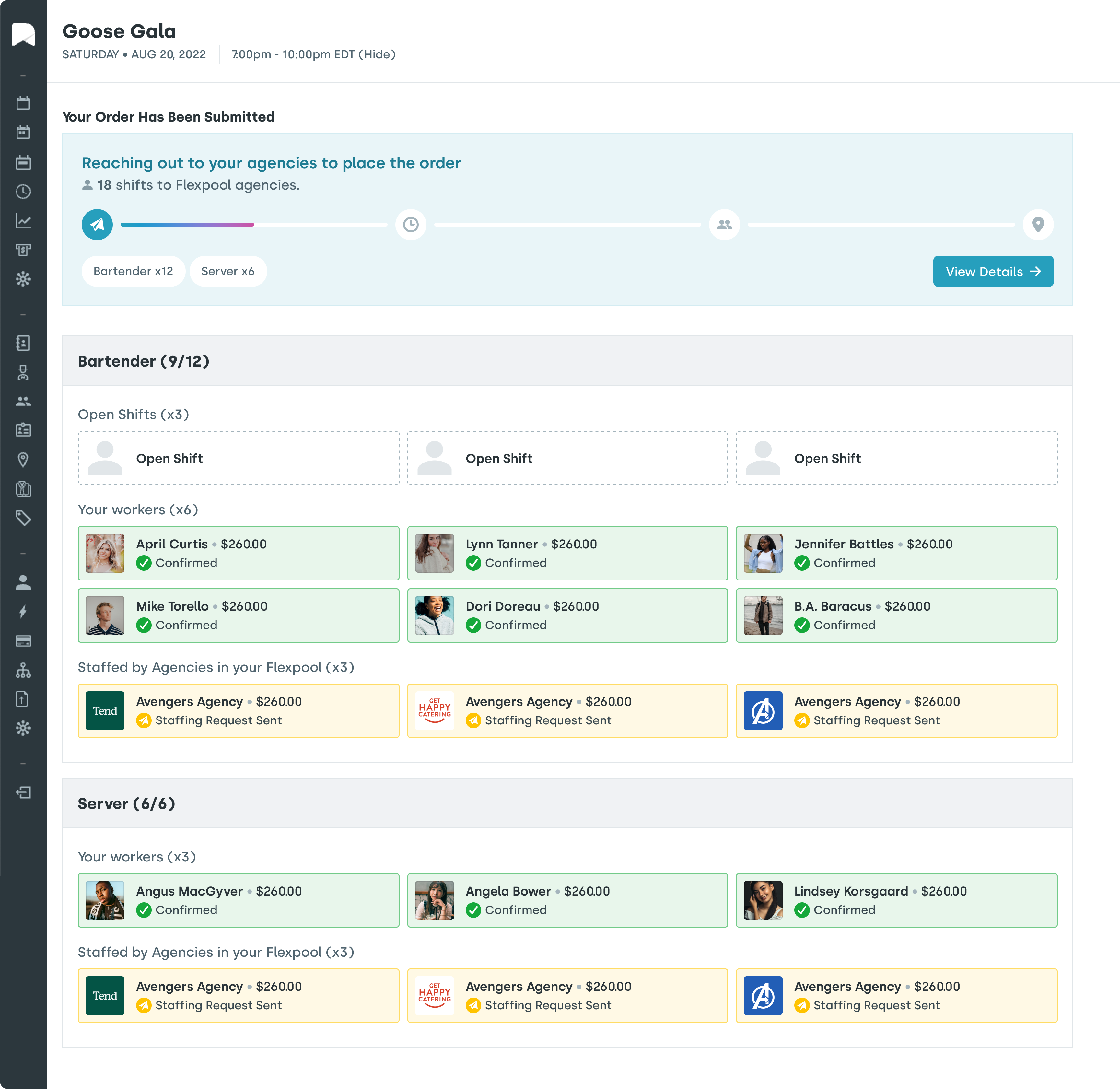
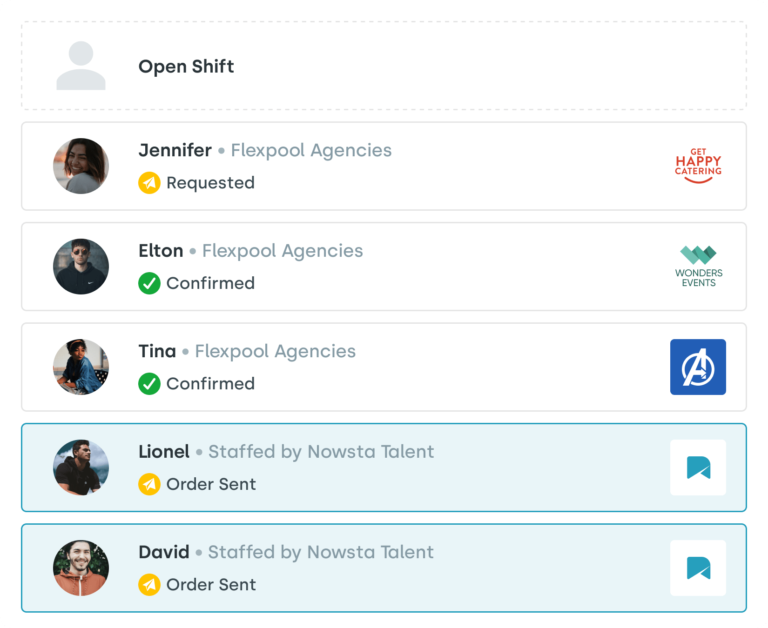
Nowsta helps stabilize teams by automating shift assignments and giving workers more visibility into their schedules. When employees can claim open shifts or swap without endless back-and-forth texts, work becomes less chaotic, and they stick around longer.
The Hidden Costs Bleeding Your Margins
Replacing one restaurant employee costs between $3,500 and $5,000 when you factor in onboarding, trainer wages, and lost productivity. But that’s just what shows up on paper.
The real damage runs deeper.
Where Turnover Actually Hurts
- Training costs drain resources fast. You’re paying trainers to stop doing their jobs and babysit new hires. Meanwhile, productivity starts dropping weeks before someone gives notice. They’ve mentally checked out, and your customers notice.
- Productivity loss compounds quickly. New employees take weeks to hit full speed. They make mistakes. They slow down service. Increased food waste from kitchen errors chips away at already thin margins. Your experienced staff picks up the slack, which pushes them closer to burnout and resignation.
- Guest experience takes the biggest hit. When half your front-of-house team is learning the menu, service quality drops. Lost customers leave nasty reviews or just stop coming back. The table turns slowly. Customer satisfaction scores tank.
For a 50-employee restaurant business running at 70% turnover, these invisible costs can quietly exceed $1.5 million annually.
Nowsta’s workforce orchestration platform helps restaurant operators control labor costs by automating scheduling and reducing the chaos that drives hourly employees away. When staff members aren’t fighting broken processes, they perform better and stick around longer.
Early Warning Signs That Turnover Is Spiking

Restaurant turnover doesn’t explode overnight. There are always signals.
Red Flags Your Team Is Checking Out
- No-shows and last-minute callouts surge when disengagement sets in. One or two is normal. Five in a week means trouble.
- Punctuality slips. Long-time employees who used to show up early now clock in late. When upselling drops, staff members have stopped investing emotional energy in the customer experience.
- Schedule change requests spike. Frequent shift swap requests signal burnout or work-life balance issues. Staff members are looking for relief, and if you don’t provide it, another restaurant will.
What Employees Say Before They Leave
System, training, or communication complaints surface internally before resignations. If restaurant workers bring up the same issues repeatedly and nothing changes, they stop complaining and start job hunting.
Guest complaints about staff interaction are the final red flag. By that point, employee turnover is already in motion.
Smart restaurant managers track these patterns in real time. When you spot the signs early, you can intervene before your best people walk. Platforms like Nowsta provide real-time visibility into attendance patterns, helping restaurant owners identify disengagement before it becomes a resignation.
Proven Retention Strategies That Reduce Churn
Higher wages help. But they don’t fix chaos.
Successful restaurants focus on making work predictable, fair, and less frustrating. Here’s what actually moves the needle on restaurant employee retention.
Fix Scheduling First
Inconsistent or last-minute scheduling is one of the top reasons restaurant employees quit. When hourly staff can’t plan their lives because schedules drop 48 hours before shifts, they leave for jobs with stable hours.
Give employees control. Let them claim open shifts, request time off through mobile apps, and swap without endless manager approval. This creates a work-life balance without sacrificing coverage.
Nowsta’s AI-powered scheduling cuts scheduling time by 80% while giving employees the flexibility they need. Staff members see their schedules weeks in advance, claim shifts that fit their availability, and swap without texting managers at midnight.
Build Clear Career Paths
Restaurant employees often see their roles as temporary because there are no structured growth plans. Line cooks and prep cooks burn out when advancement feels invisible.
Map the ladder. Show hourly employees exactly how they move from server to shift lead to manager. Cross-train back-of-house staff so they can earn more and feel valued. Even small steps matter when people see a future.
Competitive Compensation + Employee Benefits
Low pay and tip-dependent income drive high employee turnover rates. But competitive compensation means more than just higher wages. It’s about stable pay structures, retention bonuses, and employee benefits like paid time off.
Restaurant workers in other industries quit the hospitality industry for Amazon warehouses that figured out how to make work less miserable. You’re competing against that.
Culture Eats Strategy for Breakfast
Poor management drives restaurant turnover faster than anything else. A bad manager creates toxic workplace culture, and employees leave in waves.
Train your management team. General managers and restaurant managers need leadership skills, not just operational skills. When employees feel heard, supported, and respected, staff satisfaction climbs and turnover drops.
Use Data-Driven Insights
Run quarterly engagement surveys. Track turnover rates by position and time period. Understanding turnover patterns helps you address root causes instead of guessing.
Restaurants that invest in these strategies see measurable results. Lower turnover. Higher customer satisfaction. Increased revenue from better service quality.
How Workforce Platforms Stabilize Teams

Modern workforce management platforms do more than digitize your paper schedule. They fundamentally change how restaurant operations run.
What Actually Works in 2026
- AI-powered scheduling eliminates the guesswork. Instead of dedicating time to manually building schedules around how many employees you think you need, platforms like Nowsta use demand forecasting to match staffing to actual traffic patterns.
- The result? You’re not overstaffed during slow periods or scrambling to cover a rush with overworked staff.
- Mobile-first experiences matter to hourly staff. They claim shifts from their phones. They request time off without tracking down a manager. Self-service platforms let staff members view and change their schedules, improving work-life balance and reducing last-minute callouts.
- Integrated time tracking and compliance prevent the payment process nightmares that frustrate restaurant employees. Geofencing verifies clock-ins. Automated alerts flag overtime before it happens. Seamless payroll integration means paychecks are accurate and on time.
The Nowsta Difference
Nowsta brings sourcing, scheduling, time tracking, and payroll into one platform built specifically for the hospitality industry. Quick service restaurants, fine dining operations, catering companies, and event staff all use Nowsta to stabilize their restaurant workforce.
Key features that reduce restaurant turnover:
- Demand forecasting ensures you schedule the right number of employees for each shift
- Shift swaps and claims give staff members flexibility without chaos
- Real-time reporting shows labor costs, employee productivity, and compliance risks instantly
- Talent marketplace connects you with pre-vetted hourly employees when you need to fill gaps fast
When you remove friction from everyday duties, employees feel less stressed. When schedules are fair and predictable, staff retention improves. When the entire staff can access their information instantly, trust builds.
Nowsta customers report 28% fewer no-shows and 80% less time spent scheduling. That’s not just efficiency. That’s stability. And in 2026, stability is what separates successful restaurants from those stuck in a hiring loop.
Restaurant operators who treat workforce management as infrastructure, not an afterthought, build teams that last. The true cost of high turnover isn’t just the $5,864 per replacement. It’s the compounding damage to service quality, workplace culture, and your ability to serve customers well.
Cut Turnover, Keep Your Team with Nowsta
Restaurant turnover rates aren’t dropping anytime soon. But you don’t have to accept 75% churn as inevitable. Focus on what drives people away: chaotic schedules, poor management, and systems that make work harder than it needs to be.
Key takeaways:
- Restaurant employee turnover costs $3,500–$5,864 per person when you factor in training, productivity loss, and damaged guest experience
- Front of house and back of house positions see 41–43% annual turnover, while QSRs exceed 130%
- Early warning signs include spiking no-shows, punctuality drops, and frequent schedule change requests
- Proven retention strategies focus on predictable scheduling, clear career paths, and competitive compensation
- Modern workforce platforms automate scheduling, improve work life balance, and cut turnover by removing daily friction
Nowsta gives restaurant management the tools to stabilize teams and reduce restaurant turnover rates. When you automate scheduling, provide real-time visibility, and make work predictable for hourly employees, people stay. Lower turnover means better service, higher customer satisfaction, and margins that actually work.
Tired of constantly replacing staff? Nowsta reduces no-shows by 28% and gives workers self-service tools that actually keep them engaged. Schedule a demo.
FAQs
What is the 30/30/30 rule for restaurants?
The 30/30/30 rule is a restaurant management budgeting framework that allocates 30% of revenue to food costs, 30% to labor costs, and 30% to operating expenses, leaving 10% for profit. This helps restaurant owners maintain healthy margins despite labor shortages.
Why do restaurants have a high turnover rate?
Restaurants face high turnover rates due to low pay, inconsistent scheduling, physically demanding work, poor management, and limited career growth. The average turnover rate exceeds 75% annually, far above pre pandemic levels of around 60%. An effective employee handbook, streamlined interview process, and focus on staff well being provide valuable insights into reducing churn.
What is Chick-fil-A’s turnover rate?
Chick-fil-A’s turnover rate is significantly lower than the industry average, typically reported around 60% compared to the 75–130% seen elsewhere. Their focus on the hiring process, employee development, and workplace culture helps them retain staff even during labor shortages.
What is the turnover rate in the food industry?
The food industry averages 75% annual employee turnover, with quick service restaurants exceeding 130%. This means restaurants replace their entire staff multiple times per year, affecting how many customers served receive consistent service quality and driving up operational costs.