A pizza party is not a retention strategy. Neither is a generic “Employee of the Month” plaque collecting dust in the break room. Nearly 70% of employees say rewards are a motivating factor at work, yet most incentive programs are designed for salaried, office-based workers. If your workforce runs on hourly shifts, the standard playbook doesn’t apply.
This article is built for the people managing large, shift-based sales teams who need employee incentive ideas that actually move the needle on engagement, attendance, and retention.
Here’s what we’ll cover:
- Why traditional incentive programs fail hourly and contingent workers
- Monetary vs. non-monetary incentives and when to use each
- Scheduling-based incentives that cost almost nothing
- Recognition strategies that improve shift reliability and reduce no-shows
- How to tie incentive programs to measurable business outcomes
- The role of technology in delivering incentives at scale
Nowsta plays a quiet but powerful role here. Its AI-powered scheduling engine combines demand forecasting, talent intelligence, and real-time labor analytics. It helps operations teams move from reactive scheduling to proactive workforce orchestration.
Why Traditional Incentives Fail Hourly Workers
Most employee incentive program ideas were designed with salaried, office-based team members in mind. Profit sharing. Stock options. Tuition reimbursement programs. Remote work flexibility. These are great incentive plans for a corporate workforce. They’re nearly useless for a catering crew finishing a 12-hour event setup.
That’s the disconnect. And it’s costing enterprises the people they can least afford to lose.
The One-Size-Fits-All Trap
Traditional incentive programs often exclude hourly employees from benefits like stock options, commissions, and flexible work arrangements that are geared toward salaried workers. When your employee incentive program doesn’t account for different employee preferences across your workforce, you’re not building a program inclusive of the people actually running your operations.
Consider the typical hourly worker’s reality:
- They can’t work from home. Flexible work arrangements mean something completely different to them.
- They don’t benefit from profit sharing or equity. Their reward for working harder is often just… more hours.
- Professional development opportunities sound nice on paper, but they’re hard to access when your schedule changes every week.
- Company swag and standing desks don’t pay the bills.
Motivation among hourly workers has dropped 5% since 2023, and satisfaction with flexible work options is also down 5%. That’s not a vague sentiment. It’s a measurable decline in employee morale that directly impacts your no-show rates, turnover, and overall job satisfaction.
What Hourly Workers Actually Want
The data is clear. Many employees in shift-based roles prioritize three things above almost everything else:
- Schedule predictability. Knowing when you work next week matters more than a wellness program you’ll never use.
- Fair pay and transparency. Not just what they earn, but why and how their hours are distributed.
- Being treated like they matter. Simple employee recognition goes further than any incentive plan when people feel invisible.
Pro tip: Before designing any employee incentive program, survey your hourly workforce separately from salaried staff. Their answers will look nothing alike.
Monetary vs. Non-Monetary Incentives
Not every great incentive comes with a price tag. And not every expensive perk actually moves the needle. The key is knowing when to use money and when to use something that money can’t buy.
When Monetary Employee Incentives Work Best
Cash talks. Especially for hourly and contingent workers living paycheck to paycheck. Monetary incentives are most effective when you need to:
- Drive specific, measurable outcomes. Bonuses tied to attendance targets, overtime reduction, or customer satisfaction scores give employees a clear link between effort and reward.
- Attract top talent in competitive markets. Referral bonuses and sign-on incentives help you fill roles faster, especially in high-turnover industries like events, QSR, and staffing.
- Reward employees for tenure. Milestone bonuses tied to an employee’s tenure signal that loyalty is valued, not just expected.
Here are the most effective monetary incentive ideas for shift-based teams:
| Incentive Type | Best For | Typical Cost |
|---|---|---|
| Attendance bonuses | Reducing no-shows | $25-$100/month per employee |
| Referral bonuses | Sourcing new hires | $100-$500 per successful hire |
| Shift differential pay | Filling undesirable shifts | 10-15% premium on base rate |
| Performance bonuses | Driving specific KPIs | Variable, tied to targets |
| Early wage access | Improving financial wellness | Minimal (platform-based) |
When Non-Monetary Incentives Win
Here’s what most senior leaders underestimate: non-financial recognition increases engagement by 29%. That’s not a rounding error. That’s a meaningful shift in how employees feel valued and how long they stick around.
Non-monetary incentives work best when you want to:
- Build a positive work culture. Public recognition, peer recognition, and team-based incentives create a sense of belonging that no bonus can replicate.
- Boost morale without budget approval. A handwritten note from a manager costs nothing. A “thank you” in a team meeting costs nothing. Yet both inspire employees to show up better.
- Encourage participation in company values. When you highlight employees who embody organization values, you reinforce the behavior you want to see repeated.
The best effective employee incentive programs use both types strategically. Money for measurable outcomes. Recognition for culture.
Scheduling-Based Incentives That Cost Nothing
Here’s a secret that rarely makes it into HR playbooks: the schedule itself is an incentive.
For hourly workers, how and when they work shapes their quality of life. When you give people more control over their schedules, you don’t just boost morale. You reduce no-shows, cut turnover, and improve employee satisfaction without spending a single extra dollar.
Five Scheduling Incentives That Work
- Priority shift selection for top performers. Let your best workers pick their preferred shifts first. This is a tangible reward that directly improves their work-life balance, and it costs you nothing. It also creates a clear connection between positive behavior and a meaningful outcome.
- Shift swap flexibility. When employees can trade shifts through a mobile platform instead of begging a manager, they feel trusted. That trust builds the kind of workplace culture that keeps people around. Nowsta’s mobile-first platform makes this seamless, letting team members claim, swap, and manage shifts from their phones.
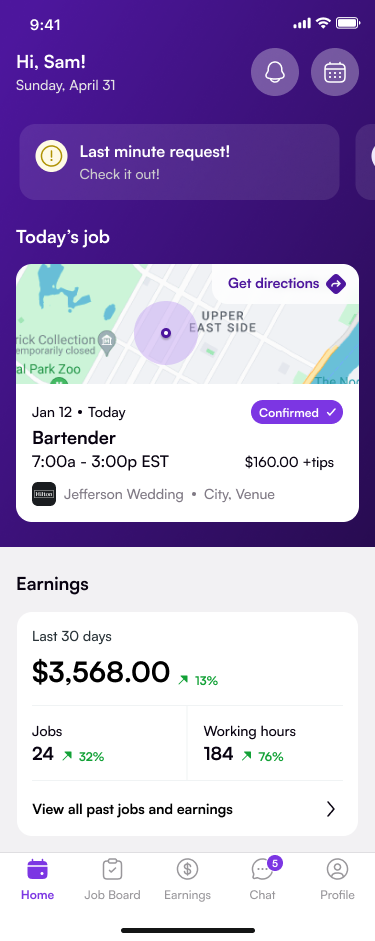
- Consistent scheduling. Predictability is one of the most underrated employee incentives in existence. About one in four U.S. employees face schedule unpredictability, and roughly four in ten have little or no control over their work schedules. Just giving people a stable, predictable schedule makes them happier employees.
- Earned schedule flexibility. Instead of giving everyone the same rigid hours, let workers who hit attendance or performance targets unlock flexible work hours. This doesn’t mean remote work. It means choosing between a morning or evening shift. Small change. Massive impact on employee engagement.
- Fair distribution of desirable shifts. Nothing kills employee morale faster than favoritism. When the same people always get the best shifts, everyone else notices. Automated scheduling tools like Nowsta ensure fair distribution based on transparent criteria, not personal relationships.
Pro tip:Scheduling-based incentives work best when they’re visible and earned. When team members can see exactly how performance links to schedule benefits, you encourage participation and reinforce the behaviors you want.
Recognition That Reduces No-Shows

A no-show isn’t just an empty slot on a schedule. It’s a chain reaction. Someone else works overtime. A client gets underserved. A manager spends their morning scrambling instead of leading. The right recognition programs can break this cycle before it starts.
Why Recognition Beats Punishment
Most operations teams respond to no-shows with consequences. Warnings. Write-ups. Termination. And while accountability matters, punishment alone doesn’t motivate employees to want to show up. It just makes them afraid of getting caught.
Peer recognition programs increase engagement by 35%. Recognition from senior leaders boosts engagement by 28%. These aren’t soft metrics. They’re the difference between a team that shows up reliably and one that treats every shift like it’s optional.
Recognition Strategies That Actually Work
- Instant rewards for perfect attendance streaks. Don’t wait for annual reviews. Recognize employees weekly or biweekly for showing up on time, every time. This could be as simple as a shoutout in a team chat, a small bonus, or priority shift selection. The key is that instant rewards reinforce the behavior immediately, not six months later.
- Public recognition that highlights employees by name. When you recognize employees in front of their peers, you’re not just rewarding one person. You’re showing the entire team what “good” looks like. A quick message in Nowsta’s communication tools calling out a worker who’s been 100% reliable this month, creates a ripple of positive behavior.
- Team-based incentives tied to group attendance. Individual recognition matters, but so does team accountability. When an entire crew hits a no-show rate below a certain threshold, reward the whole group. This creates social pressure in the best way: team members encourage each other to show up because everyone benefits.
- Personalized rewards based on employee interests. Not everyone wants the same thing. Some people want extra PTO. Others want a gift card. Others just want to be seen. The most effective employee incentives account for employee preferences instead of assuming what motivates everyone equally.
| Recognition Type | Impact on Engagement | Cost |
|---|---|---|
| Peer recognition (digital) | +35% engagement | Free to low-cost |
| Manager shoutouts | +28% engagement | Free |
| Attendance streak bonuses | Measurable no-show reduction | $25-$50/streak |
| Team attendance rewards | Builds collective accountability | Variable |
| Personalized milestone rewards | Improves overall job satisfaction | $50-$200 per milestone |
Tying Incentives to Business Outcomes
An employee incentive program that feels good but doesn’t move business goals is just a cost line with no return. The best incentive programs connect every dollar and every recognition moment back to a metric that matters.
Start With the Outcomes You Need
Before you choose a single incentive idea, define what success looks like. For most enterprise operations teams, the priorities look something like this:
- Reduce no-show rates. Directly impacts labor costs, client service, and overtime spend.
- Improve employee retention. Lowers recruiting and training costs, keeps institutional knowledge intact.
- Increase customer satisfaction scores. Better-staffed, more engaged employees deliver better service.
- Decrease overtime. Stable attendance and fair scheduling reduce the need for last-minute coverage.
- Boost productivity per shift. Engaged employees who feel valued work harder and smarter.
Map Incentives to Metrics
Once you know your business goals, build your incentive plans around them. Here’s what that looks like in practice:
| Business Goal | Incentive Strategy | Metric to Track |
|---|---|---|
| Reduce no-shows | Attendance bonuses + recognition | No-show rate (%) |
| Improve retention | Schedule flexibility + milestone rewards | 90-day and annual retention rates |
| Boost customer satisfaction | Performance bonuses tied to CSAT scores | Customer satisfaction scores |
| Cut overtime | Fair shift distribution + priority scheduling | Overtime hours per period |
| Increase engagement | Peer recognition + team incentives | Engagement survey scores |
Measure, Adjust, Repeat
The biggest mistake with engagement employee incentive programs is setting them and forgetting them. Your workforce changes. Seasons shift. New hires bring different expectations than tenured staff. Build a quarterly review cadence to assess:
- Which incentive ideas are driving the desired behavior?
- Are different employee preferences being addressed, or is one group disengaged?
- Is the cost of the program justified by the outcomes?
Pro tip: Share the results with your team. When employees see that their collective attendance improvement saved the company $50K in overtime last quarter, it reinforces the connection between their effort and the business outcome. That transparency is just what builds a positive work culture.
Technology’s Role in Incentives at Scale
Here’s the hard truth about employee incentives: they only work if people actually experience them. And when you’re managing hundreds or thousands of hourly and contingent workers across multiple locations, delivering personalized rewards, recognition, and scheduling flexibility manually is impossible.
That’s where technology stops being optional and starts being the backbone of your program.
What Scaling Incentives Require
To make an effective employee incentive program work across an enterprise workforce, you need:
- Centralized visibility into performance data. You can’t reward employees for attendance if you don’t have accurate, real-time records of who showed up. Spreadsheets won’t cut it.
- Mobile-first communication. Your workforce isn’t sitting at a desk. If they can’t see recognition, claim rewards, or check their schedule from a phone, the program doesn’t exist for them.
- Automated tracking and delivery. The difference between an incentive that inspires employees and one that frustrates them is speed. If a bonus for perfect attendance takes three pay cycles to appear, you’ve lost the moment.
- Fairness at scale. When you manage schedules and incentives through manual processes, favoritism creeps in. Technology ensures every team member is evaluated by the same criteria.
How Nowsta Powers Incentive Delivery
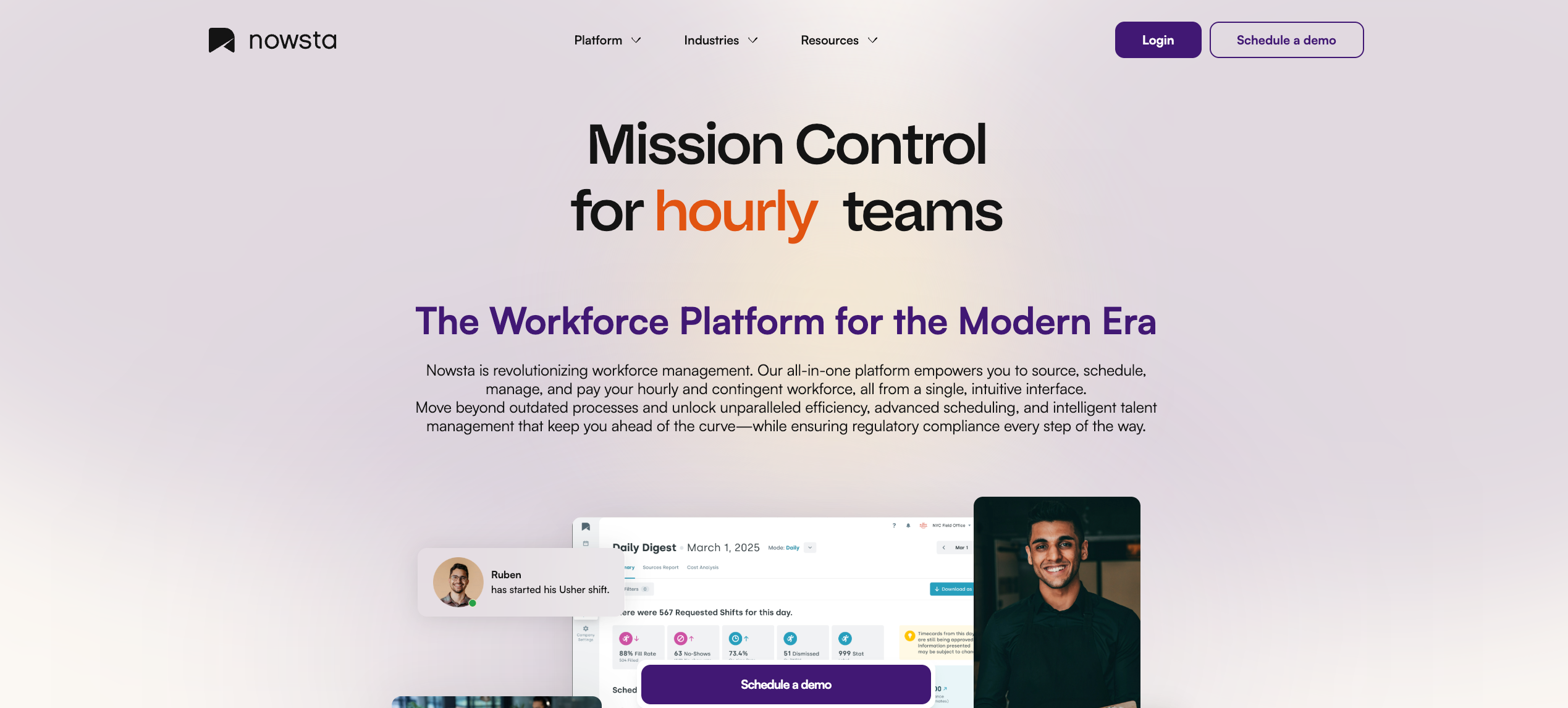
Nowsta isn’t a recognition platform. It’s something more foundational. It’s the workforce orchestration layer that makes every other incentive program actually work.
- Scheduling flexibility becomes an incentive because Nowsta’s drag-and-drop builder and self-service features give workers real control over their shifts. When employees can claim open shifts, request time off, and swap shifts from their phones, they feel trusted. That’s a great incentive that costs nothing.
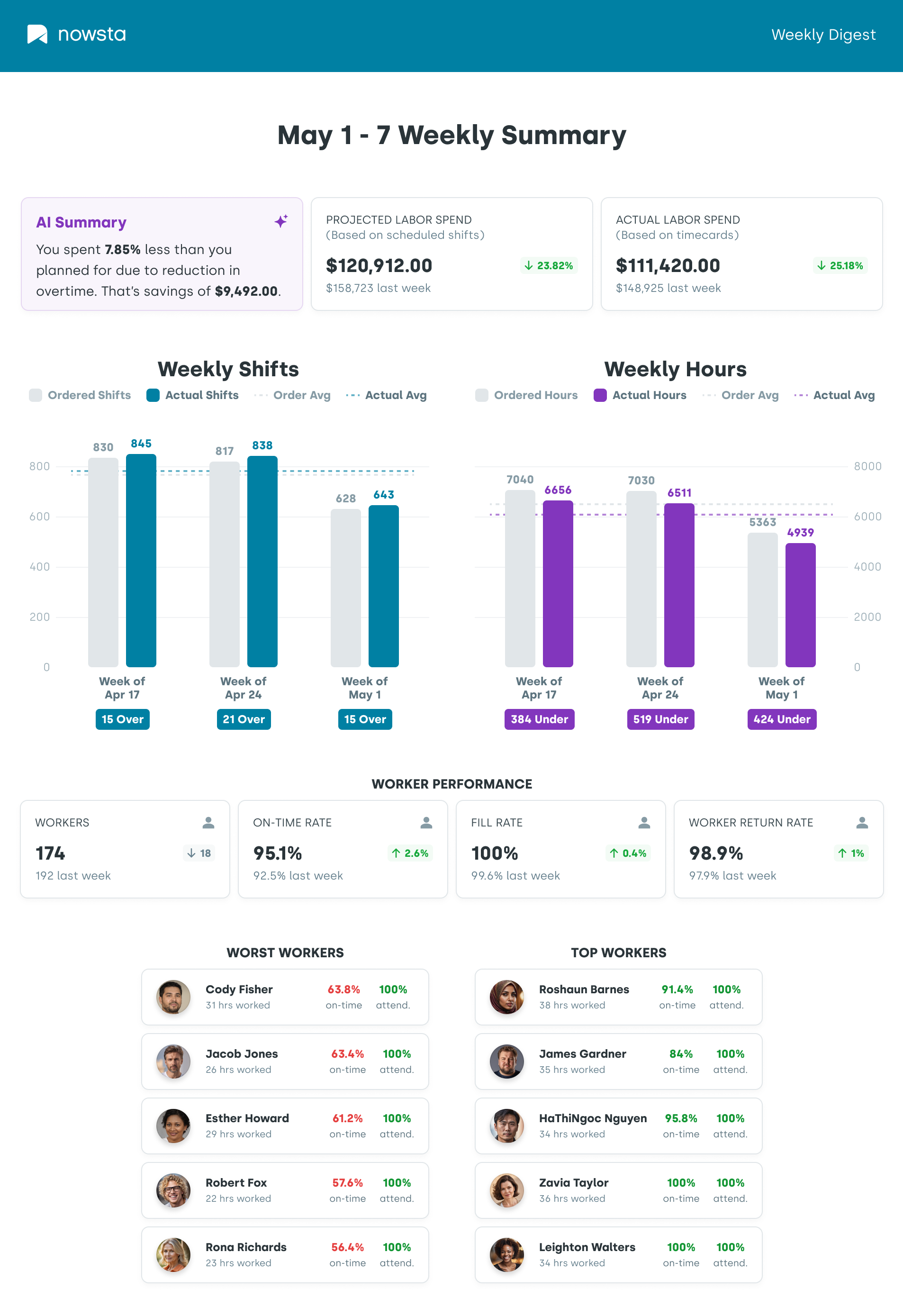
- Attendance tracking becomes recognition fuel because Nowsta provides real-time data on clock-ins, no-shows, and hours worked. Operations teams can instantly identify who deserves recognition, who’s hit a milestone, and who might need support before they disengage.
- Fair scheduling becomes a retention tool because the platform’s AI-powered recommendations ensure fair distribution of shifts based on skills, availability, and performance. No favoritism. No guesswork. Just data-driven decisions that keep employees engaged and make your incentive plans credible.
- Communication becomes connection because Nowsta’s built-in notifications and alerts keep every team member informed about schedule changes, open shifts, and company updates. For many employees in hourly roles, consistent communication is just what they need to feel like they belong.
The best technology doesn’t replace your incentive programs. It amplifies them. Use your workforce platform to deliver scheduling flexibility, track performance, and automate recognition triggers so your managers can focus on personal development conversations and genuine employee recognition instead of administrative overhead.
Build a Workforce That Stays With Nowsta
The best employee incentive ideas don’t require massive budgets. They require intention, fairness, and the infrastructure to deliver recognition at scale. When you align incentives with what your workforce actually values, you stop chasing retention and start building loyalty.
Here’s what matters most:
- Traditional incentive programs fail hourly workers because they weren’t designed for them
- Monetary and non-monetary incentives both matter, but timing and context determine which works
- Scheduling flexibility is one of the most powerful (and free) incentives you can offer
- Recognition tied to attendance and performance directly reduces no-shows
- Every incentive should map back to a measurable business outcome
- Technology is the only way to deliver personalized incentives at scale
Nowsta gives operations teams the foundation to make all of this work. From AI-powered scheduling and real-time attendance tracking to mobile-first communication and fair shift distribution, it turns your workforce platform into the engine behind every incentive you offer.
Want to boost retention without blowing your budget? Nowsta gives workers mobile self-service, instant pay access, and schedule flexibility that actually moves the needle. Schedule a demo and see how the right infrastructure makes your incentive programs actually land.
FAQs
What Incentives Can Be Given to Employees?
You can incentivize employees through a mix of monetary rewards like bonuses, referral programs, and shift differentials, alongside non-monetary perks like scheduling flexibility, public recognition, and professional development programs.
The most effective approach combines both types and tailors them to different employee preferences. For hourly teams, even small gestures like priority shift selection or attendance streak rewards can significantly boost engagement and employee retention.
What Are Some Examples of Positive Incentives?
Positive incentives include attendance bonuses, peer recognition, team-based rewards, wellness initiatives like gym stipends or mental health support, tuition reimbursement, and early wage access. Health insurance and comprehensive employee benefits also serve as powerful motivators.
The key is choosing incentives that encourage employees to repeat desired behaviors, whether that’s showing up on time, referring new hires through referral programs, or consistently delivering strong customer service.
What Are Some Unique Employee Appreciation Ideas?
Go beyond the generic. Let top performers choose their own shifts for a week. Create a digital “wall of fame” that highlights employees by name across all locations. Offer wellness initiatives tied to personal goals, like covering a fitness class or a mental health app subscription.
Give team members a paid “passion day” to pursue personal development outside of work. These types of incentives build a company culture that feels genuine, not performative, and give your organization a competitive edge in attracting top talent.
How Do You Reward Staff Without Money?
Some of the best ways to incentivize employees cost nothing at all. Consistent, predictable scheduling is a reward in itself. Public recognition from managers and peers increases engagement by up to 35%. Flexible work hours, fair shift distribution, and genuine “thank you” moments all boost morale without touching the budget.
For remote employees or distributed teams, digital shoutouts and virtual recognition feeds keep everyone connected to the company culture. The goal is to make people feel seen, which is often more powerful than any check.